Need emergency tree removal in Plainfield?
Describe the tree, its location and your preferred appointment dates. Helpsisfirst Tree Service can connect your request with an independent local provider.
No obligation
Request a provider assessment and estimate
A fallen tree can block your driveway, rest against the house or leave broken limbs hanging overhead. Start by keeping people away from the affected area. Helpsisfirst Tree Service connects homeowners in Plainfield with independent local providers who assess emergency tree removal requests. Describe where the tree landed, what it touches and whether access is blocked. The provider decides what equipment the work needs and discusses availability, scope and pricing with you directly.
Before agreeing to work, ask for a written quote that separates urgent removal from debris hauling and any later visits. Access beside a bungalow, soft ground near a basement or a narrow driveway can change the plan. Once the damaged tree is removed, discuss exposed soil, drainage and nearby trees that may also need assessment. Providers in our network perform the work. Helpsisfirst Tree Service helps you describe the request so the provider can assess what comes next.
If a tree has fallen or shifted, keep children, pets and other people away. Do not walk beneath hanging branches or climb onto the trunk. A damaged tree may move without warning. If someone is injured, trapped or in danger, contact emergency services before requesting a tree removal appointment.
Stay away from a tree touching wires, even during an outage. Do not touch nearby fences or attempt to move branches from a line. Report the hazard to the utility and follow its instructions. Tree work near electrical lines requires specialist precautions.
Use the request form to explain what you can see without approaching the tree. Mention whether it rests on a roof, blocks the only driveway or leans toward an occupied building. Include your address and a way to reach you. Photos can help when taken from a safe location. There is no need to get closer for a better angle.
A newly leaning trunk, split branches above an entrance or roots lifting out of the ground deserve prompt professional assessment. A tree resting on another tree also needs careful evaluation. Describe changes since the storm, such as a widening split or a new lean. The provider uses those details to assess urgency and decide whether a site visit is needed before quoting.
Explain whether anyone cannot leave the property safely. Mention blocked gates, shared driveways and access needed by emergency services. Do not attempt to create a passage by cutting or pulling branches yourself. A fallen trunk can hold branches under pressure. The provider needs to understand the obstruction before choosing how to approach it.
Helpsisfirst Tree Service is a referral service. We connect homeowners who need emergency tree removal with independent local providers in our network. The provider assesses the site, supplies the estimate and arranges the appointment with you. Submitting a request does not confirm a booking. Ask the provider to explain the proposed next step and any assessment charge before agreeing to a visit.
The provider checks the tree's position, nearby structures and space for equipment. A trunk across an open lawn presents different problems from branches resting on a roof. Describe the actual damage in your request, including anything the tree is resting against. The provider can explain whether controlled cutting, lifting equipment or another removal method suits the site.
Tell the provider about narrow side yards, basement window wells and buried services you know about. Soft ground after flooding may restrict equipment access. Low roof edges can also affect working space. Share these details from memory or a safe viewpoint. Let the provider decide where equipment can travel and stand.
Emergency work may need more than one visit. Ask whether the proposed appointment includes the entire damaged tree or only a specific hazard. Confirm what remains afterward and whether the provider needs another assessment before returning. For storm tree clearance, the written scope should identify the tree, the affected area and any work excluded from the initial price.
Size matters, but access and the tree's position can change the bill substantially. Equipment, disposal and urgent scheduling may carry separate charges. Ask whether the quote is a fixed total or an estimate that could change. Agree on how the provider will explain any added costs and obtain your approval before doing extra work.
Some policies may cover sudden damage; check your policy. Ask your insurer what records it needs and whether it has instructions before work begins. Keep photos taken from a safe distance, the written scope and itemized invoices. Providers can often help document damage for a claim. Coverage decisions come from the insurer, so discuss payment terms with the provider separately from any expected claim outcome.
After widespread thunderstorms or hail, several properties may need attention at once. Availability can change as providers assess hazards and equipment needs. Unsafe weather or utility work may also affect scheduling. Ask how the provider handles appointment updates and who should receive them. Request a callback to check provider availability if you prefer that to the request form.
Confirm whether the provider removes logs, branches and loose debris from the agreed work area. Ask where material will be placed if hauling happens later. Stump grinding is separate work unless the quote includes it. Before the provider leaves, review any remaining obstacles from a safe position and ask about restrictions on using the work area.
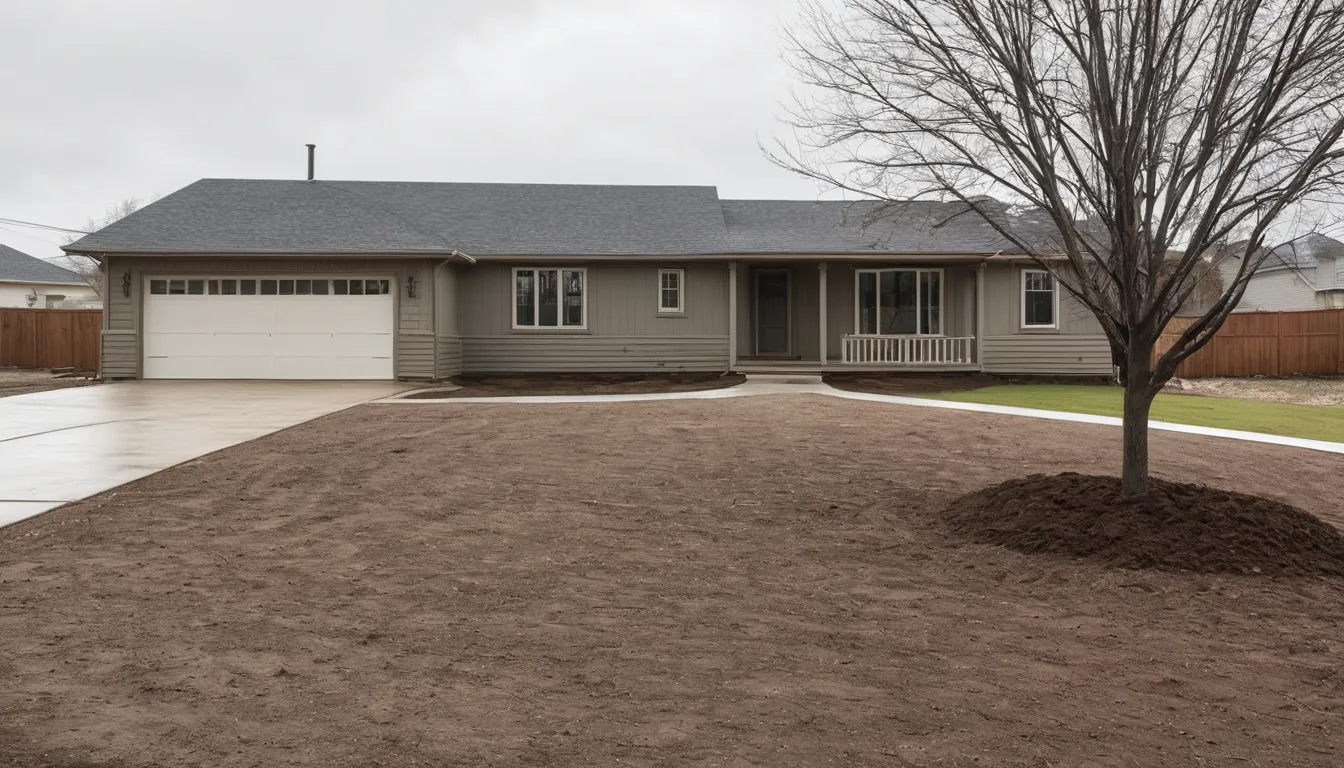
Ask the provider what ground disturbance remains and whether another trade should assess drainage or repairs. Watch for settling soil near the former root area. Keep drainage outlets and basement window wells clear once the area is safe. Removal alone does not resolve existing drainage problems. Record new pooling after rain so you can describe it when arranging follow-up work.
Request an assessment of nearby trees if you notice damage after the urgent work. Discuss future planting distance from the house and room for mature roots and branches. Ask which trees suit the soil and weather at your property, and when to check the site again. Ongoing care can reduce some risks, but it cannot prevent every storm-related failure.
Describe the damaged tree, nearby hazards and blocked access before discussing an appointment with a provider.
A local provider evaluates tree position and access to determine the equipment and approach the job needs.
Ask the provider to specify the urgent work, debris handling and any tasks requiring a later visit.
Discuss disturbed soil, drainage concerns and remaining tree damage before closing out the removal project.
These typical U.S. planning ranges vary by job and are not provider quotes. Emergency pricing may exceed standard removal ranges. Request a written quote that explains the total and any separate charges.
| Item | Typical U.S. range | Notes |
|---|---|---|
| Small tree removal baseline | $200 to $500 | Under 30 feet; urgent scheduling and hazards can increase this baseline. |
| Medium tree removal baseline | $500 to $1,500 | About 30 to 60 feet; emergency work may cost more. |
| Large tree removal baseline | $850 to $2,000 | About 60 to 80 feet; difficult access can add expense. |
| Extra-large tree removal baseline | $1,200 to $2,500 or more | Over 80 feet; lifting equipment and storm damage affect pricing. |
| Hourly tree work | $100 to $400 or more per hour | If billed hourly, confirm staffing, equipment, minimum charges and the estimated total. |
| Branch chipping add-on | $50 to $100 | Confirm whether included; hauling and larger debris volumes may cost extra. |
Describe the damage from a safe location and explain whether the tree blocks access or touches a structure.
The provider explains availability, assessment arrangements and information needed before an appointment.
Confirm removal scope, equipment charges, cleanup responsibilities and payment terms directly with the provider.
Ask about remaining debris, disturbed ground and any recommended follow-up before work concludes.
Your request starts with the tree's position, affected structures and access needed for a provider assessment.
Helpsisfirst Tree Service handles referrals; the independent provider assesses, prices, schedules and performs the work.
Scope questions help you discuss removal, cleanup and additional charges with the provider.
Aftercare prompts help you discuss ground settling, drainage and nearby trees after urgent removal.
Describe the tree, its location and your preferred appointment dates. Helpsisfirst Tree Service can connect your request with an independent local provider.
No obligationSubmit your request to connect with an independent local provider. The provider confirms availability, assesses the job and arranges the appointment. A submitted form alone does not reserve a removal visit.
That depends on the provider's written scope. Ask whether logs, branches and loose debris leave the property during the first visit. If material remains, confirm where it will sit, when collection is planned and whether hauling costs extra.
Ask which tree and hazards the quote covers, whether equipment and disposal are included, and what could change the price. Confirm payment terms, appointment arrangements and any work left for another visit. Request those details in writing before you agree to proceed.
Describe the tree, its location and your preferred appointment dates. Helpsisfirst Tree Service can connect your request with an independent local provider.
No obligation