Need tree removal in Plainfield?
Describe the tree, its location and your preferred appointment dates. Helpsisfirst Tree Service can connect your request with an independent local provider.
No obligation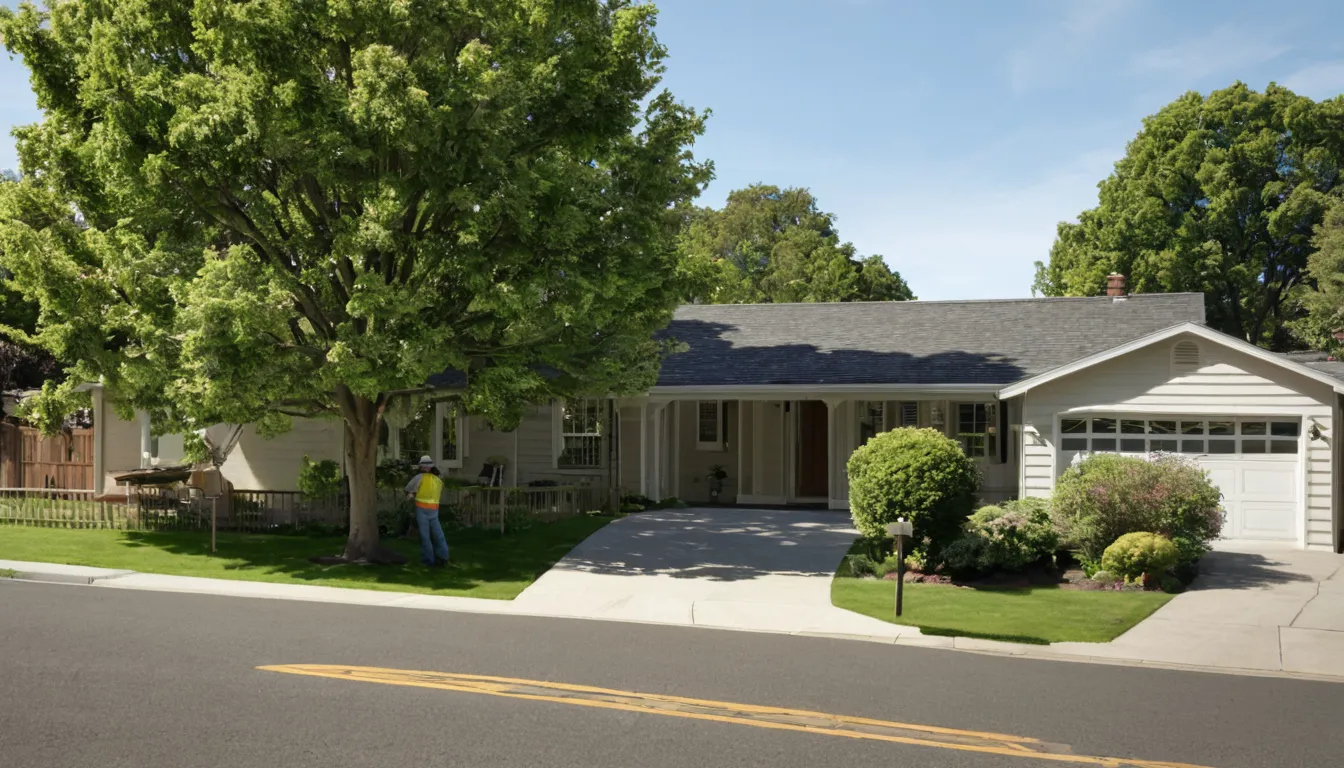
Request a tree removal estimate
A tree close to your house can make removal feel complicated. Start by describing its condition, the space around it and how equipment could reach it. Helpsisfirst Tree Service is a referral service that connects homeowners with independent local tree removal providers. The provider assesses the site, explains the proposed work and sets the price. Mention nearby roofs, fences and any recent change in the tree when you submit your request.
The estimate should explain what happens to branches, trunk sections and the remaining stump. It should also identify any yard repairs excluded from the work. Before agreeing, ask for those details in writing. Planning for the cleared space helps you budget for soil repairs, check drainage and choose future planting without treating tree removal as a solution to every yard problem.
If a tree has developed a new lean, split wood or hanging branches, describe that change before discussing an appointment. Keep people and pets away from the affected area. Do not approach it to measure the trunk or take a closer photo. If wires are involved, contact the utility. Emergency tree removal and storm tree clearance need a separate assessment of the conditions.
For a planned removal in Plainfield, use the request form to explain which tree concerns you and why. Include its position in the yard and anything beneath its branches. Helpsisfirst Tree Service connects requests with independent local providers. A provider confirms whether an assessment is available and discusses the next appointment.
Dead growth, trunk damage or a conflict with planned construction may prompt a removal request. Describe what you have noticed without trying to diagnose the cause. A tree close to a house does not automatically need removal. Ask the provider whether an assessment supports removal or whether another approach deserves consideration before you approve the work.
You do not need an exact height to make a request. Note whether the tree rises above the roof and whether it stands in the front, side or rear yard. Photos may help if taken from a safe position. Mention fences, sheds and overhead lines, along with any space where equipment could park.
Access can change the equipment needed and the amount of handling involved. Tell the provider about narrow gates, steps, slopes or a shared driveway. Basement window wells and outdoor sump discharge pipes also deserve attention. Ask which route equipment would take and whether temporary ground protection is included. Confirm permission before offering access across neighboring property.
A search for tree falling service often refers to tree felling, which means cutting a tree down. The provider decides whether there is room for that method or whether sections need controlled lowering. Ask for a plain explanation of the proposed approach, especially when branches extend over a bungalow, ranch home or older frame house.
Identify the exact tree in the written scope. If several trees stand together, a general description can cause confusion. Ask the provider to record what is being removed, how much trunk remains and which areas need protection. Include any agreed limits on equipment access. Keep a copy of the scope with the estimate and appointment details.
Height is only part of the price. Trunk size, condition and access affect how the provider plans the work. A confined side yard may require more handling than an open lawn. Ask what accounts for the quoted amount and which conditions could change it. Establish how additional work would be priced and approved before removal begins.
Ask whether the tree's location or status requires a permit or other approval. The provider should explain who checks the requirements and who submits any paperwork. Confirm ownership when a trunk sits near a property boundary. Include permit charges in the cost discussion, and avoid booking work on a neighboring tree without the necessary authorization.
Providers in our network are independent businesses. Discuss the proposed method, property protection and payment terms directly with the provider you consider hiring. Request current insurance documentation for the work. When comparing estimates, check that each includes the same removal and debris handling. A short price alone leaves too much room for different expectations.
Decide whether you want usable wood left on site or all agreed debris taken away. Ask where retained logs would be placed and whether they would be cut to a specified length. Clarify whether branch chipping is included. Stump grinding is separate work unless the written quote includes it, so confirm what remains above ground after removal.
Once the provider confirms an appointment, ask which areas must stay clear. Move vehicles, furniture and portable play equipment only where it is safe to do so. Keep pets indoors and arrange access as agreed. Discuss how rain, severe thunderstorms, hail or soft ground could affect the date. The provider controls scheduling and any weather decisions.
Request a callback to check provider availability for your project.
After the provider says the area is safe, compare the result with the written scope. Check the agreed debris removal and note any marks along the equipment route. Discuss unfinished items before closing out the project. Keep the invoice and ask whom to contact if you later notice an issue related to the work.
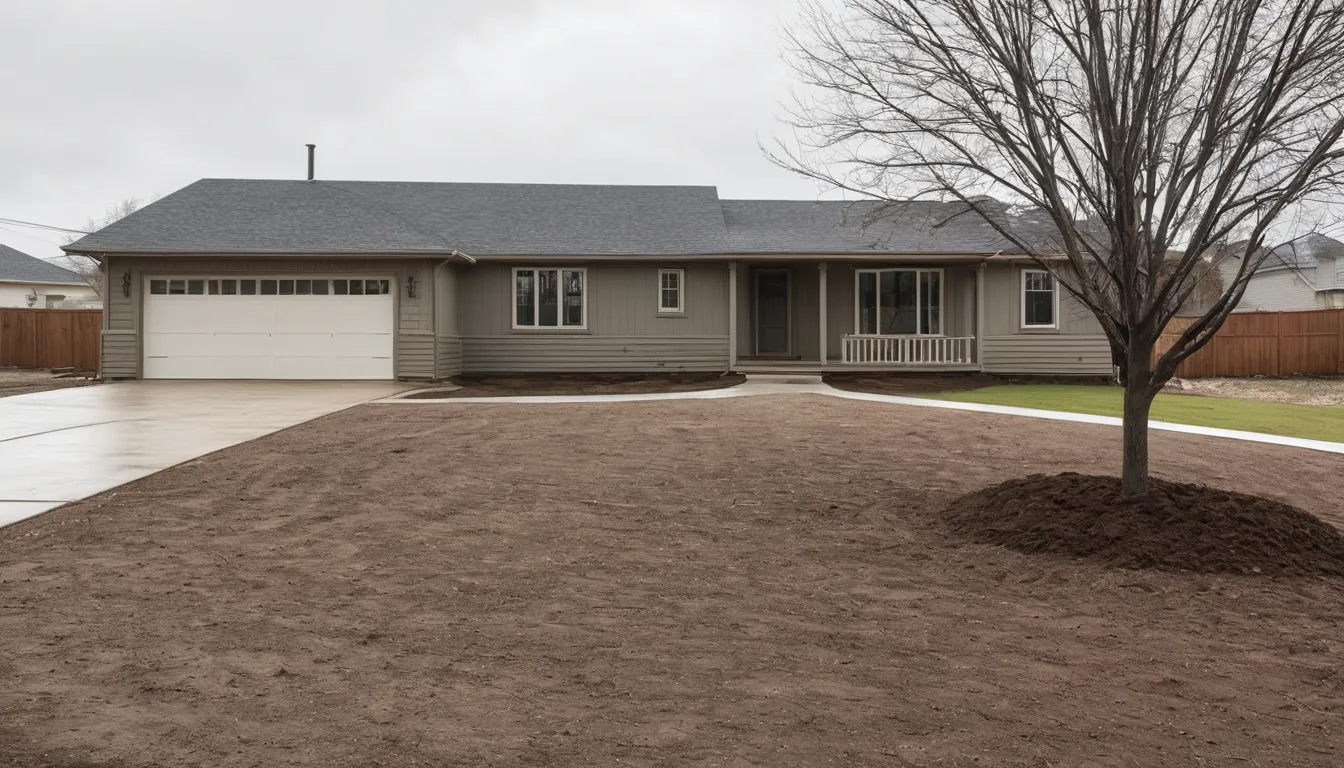
After removal, inspect the area for uneven soil and water collecting near the house. Spring flooding and winter frost can complicate yard repairs. Ask who handles ruts or settling and whether that work needs a separate estimate. Keep drainage routes clear. Tree removal alone does not establish why water reaches a basement or whether drainage repairs are needed.
Before planting again, consider the replacement tree's mature size, nearby structures and available root space. Ask about soil preparation where roots remain. Discuss watering needs for hot, humid summers and suitable planting timing with a local provider. Keep aftercare notes with the removal paperwork so future yard work accounts for what was done.
Describe visible damage and recent changes so the provider understands your concern before discussing an assessment or appointment.
Review gates, driveways and nearby structures with the provider to establish a practical route for equipment and debris.
Ask the provider to identify the tree, removal method, cleanup terms and exclusions before you approve work.
Discuss soil repairs, remaining roots and future planting so you know which tasks need separate attention after removal.
These typical U.S. price ranges can help you plan a budget. Actual costs vary with the tree’s size and condition, access to the site and the work requested. Ask the provider for a written quote that explains debris removal, stump work and any extra charges.
| Item | Typical U.S. range | Notes |
|---|---|---|
| Small tree, under 30 feet | $200 to $500 | Access and condition affect the quote. |
| Medium tree, 30 to 60 feet | $500 to $1,500 | Nearby structures may complicate removal. |
| Large tree, 60 to 80 feet | $850 to $2,000 | Equipment and handling needs vary. |
| Extra-large tree, over 80 feet | $1,200 to $2,500+ | Complex removals may exceed this range. |
| Optional branch chipping | $50 to $100 | Confirm whether already included. |
| Optional log splitting | $50 to $100 | Ask about quantities and retained wood. |
Submit the tree's location, your reason for removal and any access concerns through the project request form.
A local provider reviews your request and discusses availability for assessing the site and work.
Check the removal scope, cleanup arrangements and price before agreeing to work with the provider.
Arrange the work directly with the provider and clarify preparation, weather changes and any planned aftercare tasks.
Helpsisfirst Tree Service handles the referral connection; the independent provider assesses your tree, quotes the work and arranges the appointment.
Your request can describe access limits and nearby structures before the provider discusses an estimate.
Written details help you compare removal prices with a clear view of included work and possible extra charges.
Aftercare questions help you plan soil repairs and planting once the removal work is complete.
Describe the tree, its location and your preferred appointment dates. Helpsisfirst Tree Service can connect your request with an independent local provider.
No obligationSubmit a request with the tree's position, visible condition and access details. Helpsisfirst Tree Service connects homeowners with independent local providers. The provider discusses an assessment and sets the price. Ask for a written quote before agreeing to an appointment for removal.
The quote determines what is included. Ask whether branches and logs leave the property, how much trunk remains and whether stump work is separate. Have the provider record those details before work starts.
A replacement may be possible, but remaining roots, soil condition and space affect the choice. Ask about a suitable planting position and preparation. Consider mature size and drainage before buying a replacement, and confirm who handles any soil repairs.
Describe the tree, its location and your preferred appointment dates. Helpsisfirst Tree Service can connect your request with an independent local provider.
No obligation